News Pulse
bricsdraft
Latest national news, politics, government and major developments from across India.
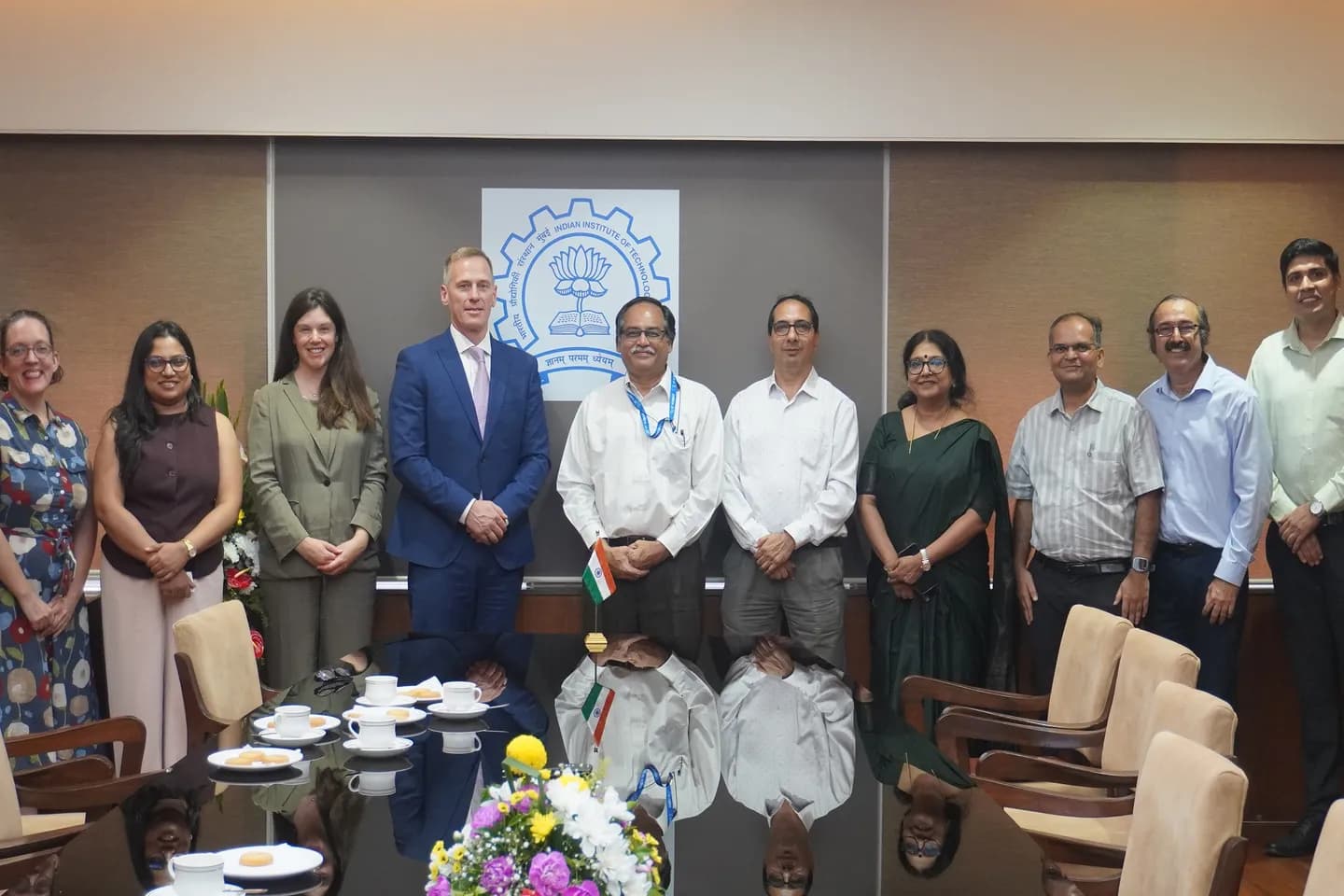
As the world rapidly moves towards a technology-driven economy, international partnerships between educational institutions are also gaining importance. In this context, the new strategic partnership between India's leading technical institute IIT Bombay and Britain's world-class Imperial College London cannot be considered as just an agreement between two universities. This collaboration represents a new phase in the India-UK partnership, bringing together research, innovation, higher education and entrepreneurship. Under the partnership, announced on 7 September 2026, both institutions will prioritize joint research in the areas of clean technology and medical technology in the early stages. Along with this, opportunities such as joint research and innovation programs, educational workshops, student entrepreneurship programs, researcher exchanges and placements will be developed. Students and researchers will have the opportunity to work together on research projects in London and Mumbai and exchange knowledge and data. How big is the research strength of IIT Bombay? The statistics of IIT Bombay speak volumes to understand its potential. According to the official website of the institute, IIT Bombay has over 13,000 students , over 1,000 faculty , over 3,500 publications , over 450 patents and over 2,800 projects associated with it. This includes a total of 1,583 sponsored projects and 1,263 consultancy projects. These figures show that IIT Bombay is not just an institution providing engineering and technical education, but also has a vast ecosystem in the areas of research, industry and technology transfer. The institute was established in 1958 and today is known for world-class engineering education and research. A recent example of the institute's research prowess is from 2025–26. IIT Bombay awarded 620 PhD degrees in that academic year, which the institute says is the highest number of PhD degrees awarded by any IIT in a single academic year. A total of 3,763 degrees were awarded to 3,442 students in the same year. Imperial College: Ranked among the world's top research institutions On the other hand, the global reputation of Imperial College London, which is involved in this partnership, is also significant. In the QS World University Rankings 2027, Imperial was ranked second in the world and first in Europe and the UK . The institution has been able to maintain this position for the third consecutive year. Imperial is known globally for its excellence in science, technology, engineering, medicine and business. According to its official records, the institution's past and present academic community includes 14 Nobel Prize winners and 3 Fields Medal winners . Therefore, the combination of IIT Bombay's vast Indian research capacity and Imperial's global research expertise could be important for both countries. Clean technology: The biggest need of the future It is timely that clean technology is given top priority in this partnership. The demand for low-carbon technologies is set to increase in the coming decades due to issues such as increasing urbanization, rising energy demand, pollution and climate change. IIT Bombay is already active in research related to energy, water, sustainable materials and climate. The institute's 2026–2030 strategy also prioritizes areas such as AI/ML, Climate Tech, Healthcare/MedTech, Quantum Technologies, Semiconductors, Advanced Materials and Space & Defence . Collaboration with Imperial in this direction could give research a more international dimension and help bring technologies developed in the laboratory to real-world use. Human-centered research in medical technology The example of medical technology is particularly notable among the research already underway between the two institutions. Researchers from Imperial and IIT Bombay are working to make remote monitoring of hand and arm movements more accurate. This technology could be used in the future in the fields of disease diagnosis, physiotherapy and rehabilitation. This research could be important in developing low-cost and easily accessible technology, especially for patients with neuromusculoskeletal problems. That is, the ultimate purpose of technology here is not just to make new discoveries; but to make those discoveries useful in the lives of patients. Data-driven change in the energy sector Another joint project aims to improve data-driven reforms and demand flexibility in India's power sector Work is underway. Making the grid more efficient based on when and how much electricity is needed can help improve electricity reliability while also helping with decarbonization and reducing costs. Energy security is of utmost importance for a large and rapidly growing economy like India. Therefore, the impact of such research cannot be limited to the academic sector but can reach industry, government and general electricity consumers. The connection between quantum computing and agriculture The most futuristic step of this partnership is the combination of quantum computing and biotechnology . Researchers are using this technology to develop crops that are more resilient and sustainable in the face of climate change. Changes in temperature, rainfall and water availability due to climate change are posing challenges for agriculture. If new technologies are successful in developing crops that can withstand low water, changing weather or high temperatures, then many agriculturally-oriented countries of the world, including India, can benefit from it. 170 students and a global startup mindset Not only professors and researchers, but also students are playing an important role in this collaboration. In 2026 , 170 students from IIT Bombay participated in the Imperial Enterprise Lab's Global Challenge Lab . In this program, students develop startup ideas from scratch under the guidance of global industry experts. This type of initiative, instead of the traditional method of education, gives students the opportunity to identify a problem, find its technological solution and transform it into a business model. In today's era, startups are not just a means of getting a job; they have become an important means of job creation, technology transfer and economic development. Therefore, the importance given to student entrepreneurship in the IIT Bombay-Imperial partnership is particularly noteworthy. Connecting with the broader India-UK technology agenda This partnership cannot be seen in isolation from the broader relationship between India and Britain. Both countries endorsed the India-UK Vision 2035 on 24 July 2025. This vision sets out a direction for increased cooperation in areas such as education, technology, research, AI, future telecommunications, critical minerals, semiconductors, quantum, biotechnology and advanced materials. In particular, both countries have mentioned increasing cooperation in areas such as the UK-India Research & Innovation Corridor, biotechnology, health and life sciences, semiconductors, quantum, advanced materials and cybersecurity. Economic ties are also gaining new momentum. The UK–India Comprehensive Economic and Trade Agreement was presented to the British Parliament in 2026, which is another important example of the growing commercial and strategic relationship between the two countries. The challenge now is to move from 'research to impact' The biggest test of this partnership will be how many real solutions emerge from the joint research. Signing an MoU between the world's best universities is not the ultimate measure of success. Success will be measured when the research results in a new technology, patent, startup, treatment method, clean energy solution or a product useful to the common man. IIT Bombay's own 2026–2030 strategy also emphasizes connecting research with industry and society-relevant research and translation . That is, taking the benefits of research beyond the laboratory to society and industry is an important part of the institute's future direction. From knowledge to global solutions Perhaps the true meaning of the partnership between IIT Bombay and Imperial College London is understood here. On one hand, there is India's vast talent, research capacity and diverse socio-economic challenges, and on the other, there is Britain's advanced scientific research tradition and global technology ecosystem. If the strengths of both come together, new opportunities can arise, from clean energy to health, from agriculture to quantum computing, and from student startups to global research. It is therefore more appropriate to view this strategic partnership, which began on 7 September 2026, not just as an academic agreement, but as a laboratory for future knowledge, science and technology collaboration between India and Britain . In the coming years, if technologies developed from joint research reach the market and society, students create global startups, and researchers from both countries work together to find solutions to challenges such as climate, health, and energy, the significance of this partnership will not be limited to IIT Bombay and Imperial—it could symbolize a new knowledge age in Indo-British relations.
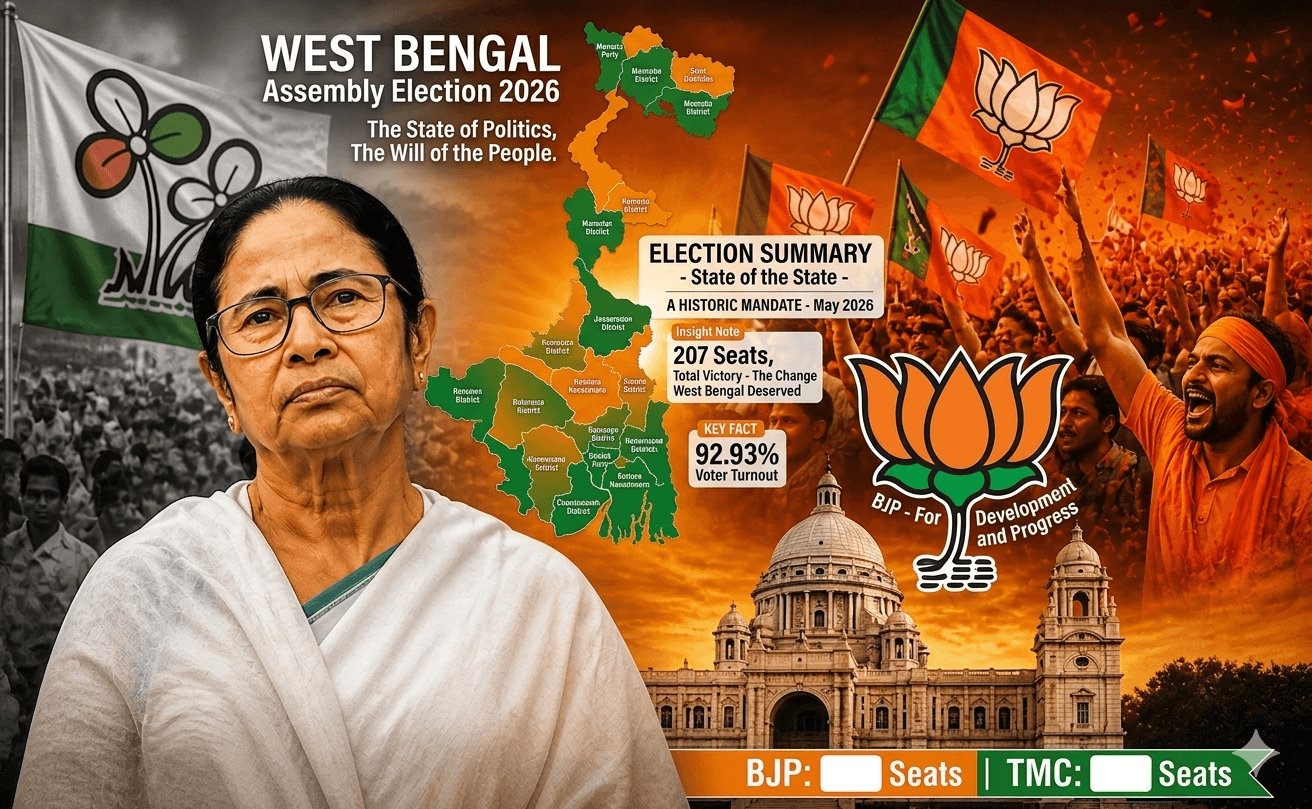
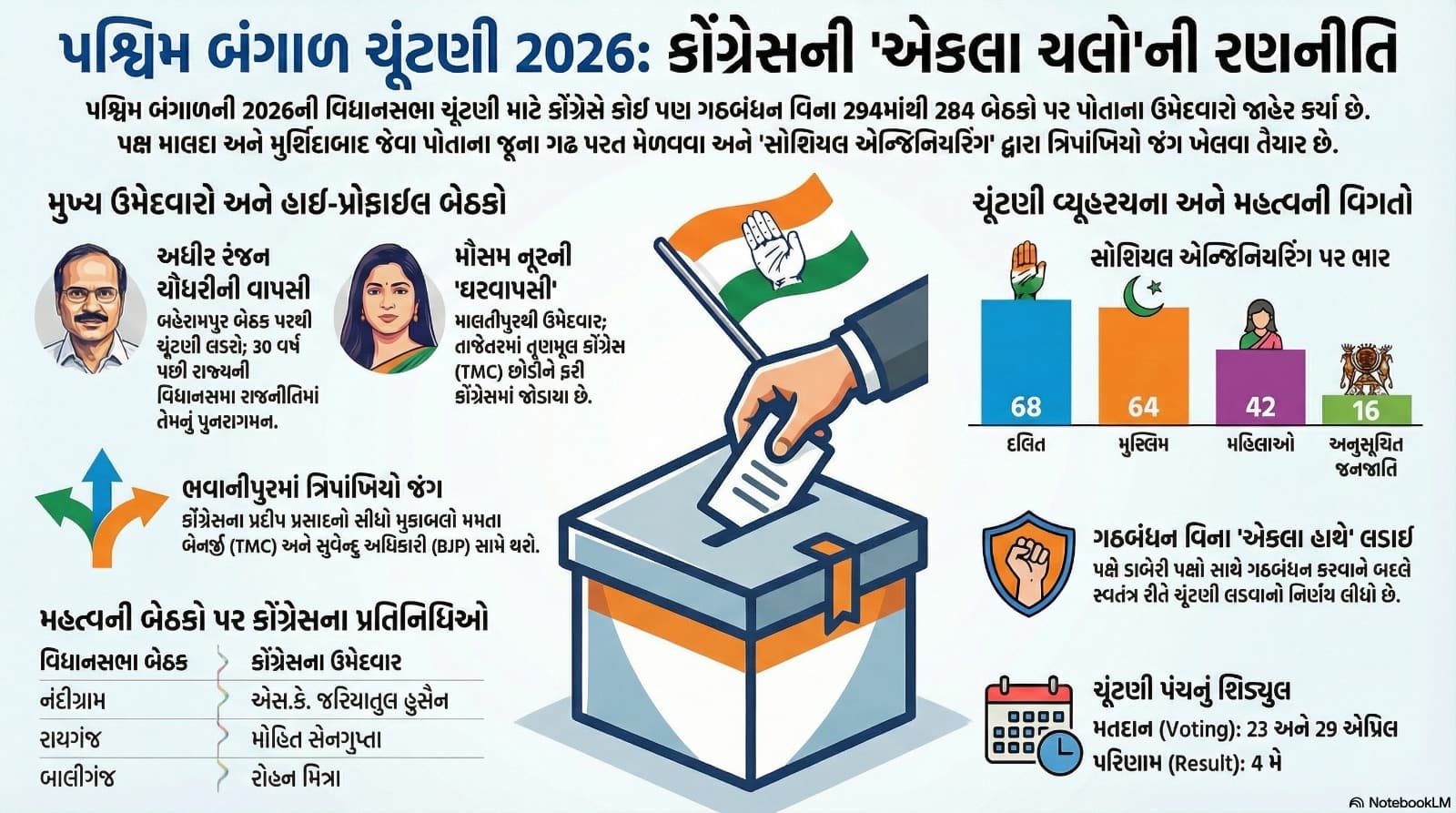
Till now, the main contest in West Bengal politics was between Mamata Banerjee's Trinamool Congress (TMC) and BJP. But, for the upcoming assembly elections, Congress has made this fight 'triangular' by declaring its candidates on 284 seats. This move by Congress, which has entered the fray without an alliance, has completely changed the political equations of Bengal. Bet on veteran leaders: Adhir Ranjan returns to the fray Congress has fielded its most experienced leaders this time. Former state president Adhir Ranjan Chowdhury will contest the assembly elections after almost 30 years. He has been given a ticket from his stronghold, Berhampur. Apart from this, Congress has made the fight interesting by fielding Pradeep Prasad against Mamata Banerjee and Suvendu Adhikari on high-profile seats like Bhawanipur. After the 'gharvapasi' of Mausam Benazir Noor, he has been given a ticket from Maltipur. A look at social engineering and Muslim votes Congress has adopted a special strategy in selecting candidates this time: Class-wise representation: 68 Dalits, 64 Muslims, 16 Scheduled Tribes and 42 women candidates. Target areas: Congress wants to strengthen its old hold in Muslim-majority districts like Malda, Murshidabad and Uttar Dinajpur. Who loses, who gains? Political analysts believe that if Congress fights strongly, it will have a direct impact on Trinamool Congress . Muslim voters have traditionally been with Mamata Banerjee, but if Congress makes a dent in these votes, then BJP can get a direct benefit from it. However, Congress can also cut BJP's votes by fielding young and professional candidates in urban areas. An attempt to erase the zero figure of 2021 In the 2021 elections, Congress did not get a single seat. At that time, TMC got 213 seats and BJP got 77 seats. This time, Congress's main objective is to regain its old stronghold and emerge as a major party in Bengal again. If Congress wins even 2-3 seats in Malda or Murshidabad, it will be considered a big success in the politics of the state.
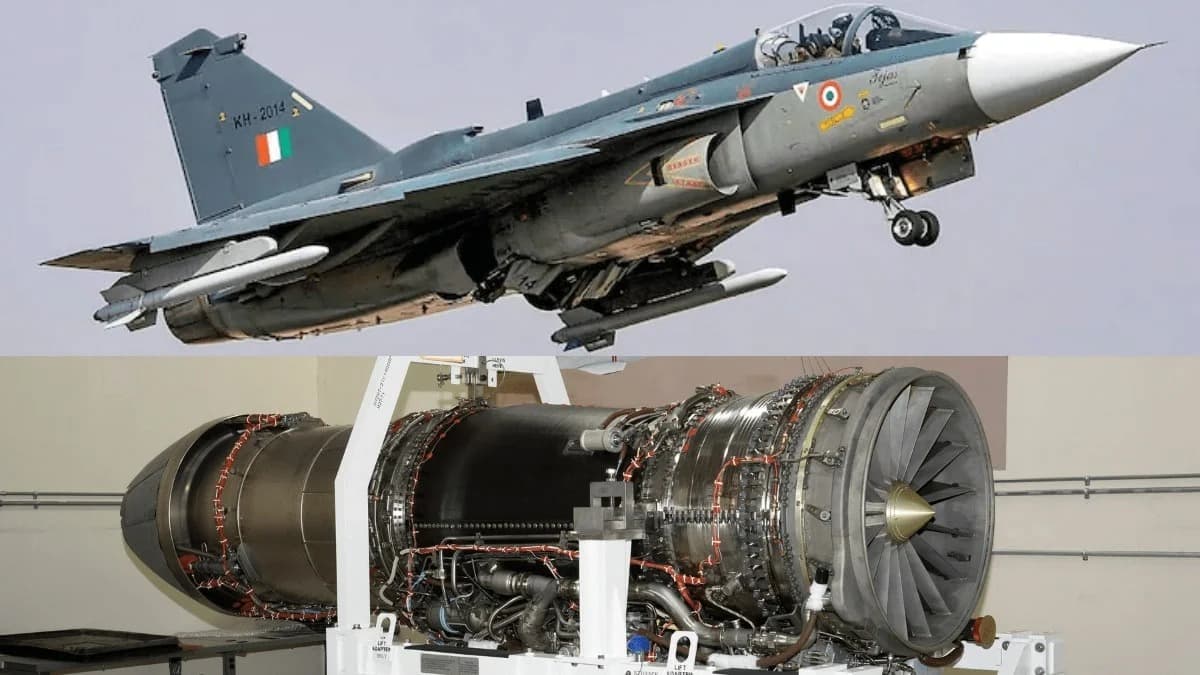
The impact of the ongoing fierce war in West Asia is now being seen on the military modernization of the Indian Air Force. The supply of engines from America for India's indigenous fighter aircraft 'Tejas Mark-1A' has stopped. American company General Electric (GE) has informed Hindustan Aeronautics Limited (HAL) that due to the current global situation, the supply of engines cannot be provided at present. Delivery of 9 aircraft halted due to lack of engines HAL had promised to deliver 24 Tejas aircraft to the Air Force by March 2026. But due to non-availability of engines, the Air Force is currently unable to receive 9 Tejas Mark-1A aircraft, although they are ready. Current status: 5 aircraft are fully ready and airframes of 19 aircraft are ready. Deal details: India and GE have signed a contract for 113 engines at a cost of Rs 9,000 crore. New deadline: This engine is now expected to be available by the end of the year. 83 aircraft orders and delay history In February 2021, the Indian government had signed a contract with HAL for 83 Tejas Mark-1A at a cost of Rs 48,000 crore. However, due to continuous delays in the delivery of engines, not a single aircraft has been handed over to the Air Force so far. So far, only 4 engines have been received from GE. It is hoped that the delivery of all the aircraft will be completed by 2028. Tejas Mark-1A: The Air Force's new Brahmastra Tejas Mark-1A is a fourth-generation light combat aircraft (LCA), which will replace the aging MiG-21 fleet. Features: It has upgraded avionics, radar system, and self-defense shields. Deployment: These aircraft are planned to be deployed at Nal Airbase (Bikaner) in Rajasthan, near the Pakistan border. Make in India: More than 65% of the equipment of this aircraft is indigenous. Prime Minister Narendra Modi also expressed confidence in Tejas' capabilities by flying it in 2022. But the current halt in the supply of American engines has hit the Air Force's goal of increasing the strength of its 'squadrons'.
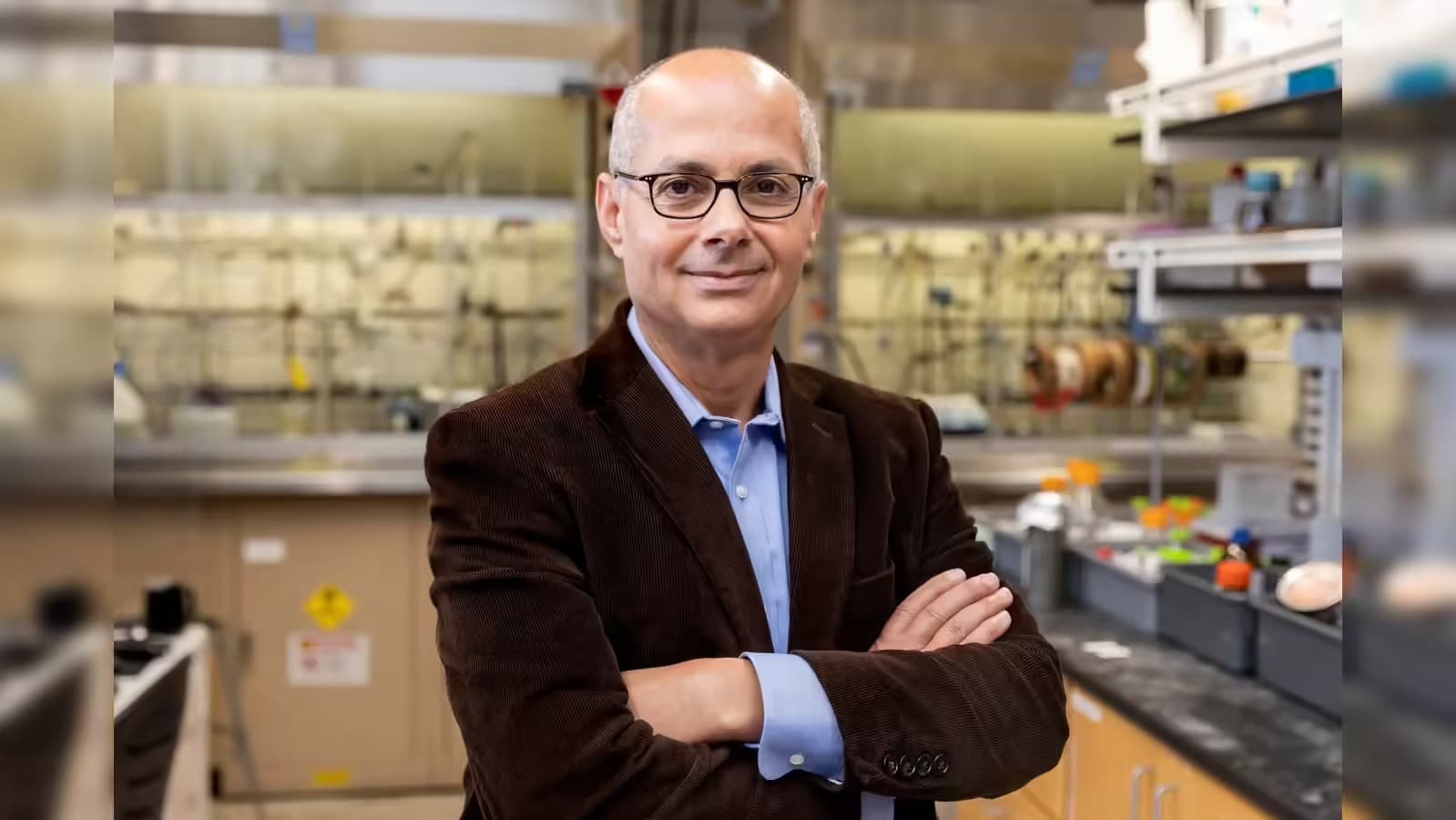
In a breakthrough that could change life in dry regions, Omar Yaghi, a chemist at University of California, Berkeley and a 2025 Nobel Prize winner, has developed a machine that can produce up to 1,000 litres of clean drinking water every day from air. Created by his technology company Atoco, the system works even where humidity is below 20%, offering new hope to places facing severe water shortages. Who is Omar Yaghi and what did he invent? Omar Yaghi is famous for developing metal-organic frameworks (MOFs), advanced materials that can trap gases and liquids very efficiently. Using this same science, he designed a machine that captures moisture from the air and turns it into drinkable water. The system is portable, runs off-grid, and is about the size of a shipping container, making it useful in remote regions with little infrastructure. How does the device work? The machine uses special materials that absorb moisture from the atmosphere. It then releases this moisture as clean water using low-grade heat sources like solar energy. Because it does not need electricity grids or pipelines, it can work in deserts and isolated communities where traditional water systems are difficult to build. The technology was designed at the University of California, Berkeley and is now being commercialised by Atoco. It has already been tested in extremely dry locations, including Death Valley, proving that it can function even in harsh desert conditions. Why scientists are excited about it Experts say producing 1,000 litres of water daily from air at just 20% humidity is something never achieved before. The device combines smart chemistry, energy efficiency, and real-world usability making it both scientifically impressive and practical for communities in need. Why this breakthrough matters Millions of people live in areas where wells, pipelines, or transported water are expensive or unreliable. This machine offers a cleaner and more sustainable option by creating drinking water directly from air using solar heat. It could reduce dependence on heavy infrastructure and imported water supplies. New future for desert communities Unlike many experimental technologies, this system is ready to scale. As climate change increases drought worldwide, devices like this could turn dry air into a dependable source of water bringing relief to regions that have struggled for decades.
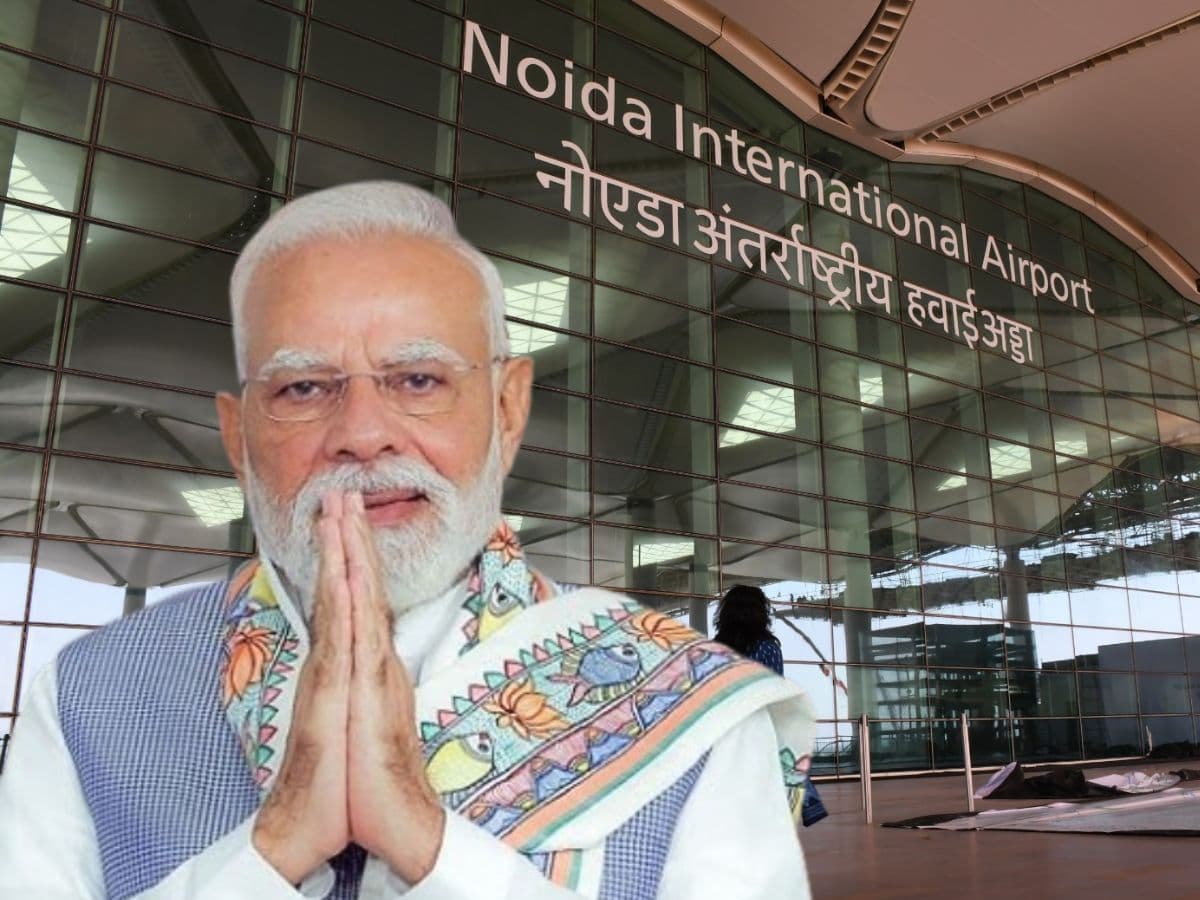
Prime Minister Narendra Modi on Saturday inaugurated Phase 1 of the Noida International Airport in Jewar, Uttar Pradesh. After completion of Phase 4, it will become Asia's largest airport. Addressing the public gathering, PM Modi appealed to the people to unite and fight the crisis arising from the war between Israel, the US, and Iran. He said, "Yesterday I discussed with the Chief Ministers of all the states. I would like to urge the countrymen to face this crisis with patience and unity. This is a crisis that is troubling the entire world." The Prime Minister said- I want to urge the country's political parties to refrain from making statements that are detrimental to the country during this time of crisis. The public will never forgive actions that harm the country. The first phase of the airport is complete. The terminal and runway have been built on approximately 3,300 acres of land. Approximately 12 million passengers will be able to travel from here each year. Approximately 11,000 crore rupees have been spent on this project. 3 big things from Modi's speech 1. 'The war in West Asia has posed a crisis for the world.' There is a war going on in West Asia. This has created a crisis in many countries. India imports large quantities of crude oil and gas from war-affected areas. Therefore, the government is taking every possible step to ensure that ordinary families and farmers are not burdened. All 1.4 billion citizens must face this crisis unitedly. 2. 'Noida was previously left to its own devices due to superstition' Noida was once abandoned due to superstition. Former rulers were afraid to come here, fearing the loss of their positions. When the SP government was in power, I planned to visit Noida. The former Chief Minister (Akhilesh) was so scared that he didn't even attend. Attempts were made to intimidate me as well. They told me, "Don't go to Noida. You've just become Prime Minister." 3. 'SP had turned western UP into an ATM for loot' The Samajwadi Party had turned western Uttar Pradesh into an ATM of loot. When our government was formed, the Samajwadi Party was in power in Uttar Pradesh. For the first two or three years, they blocked work on the Jewar Airport. However, as soon as the BJP government came to power, the foundation stone for the Jewar Airport was laid, construction began, and now it has begun.