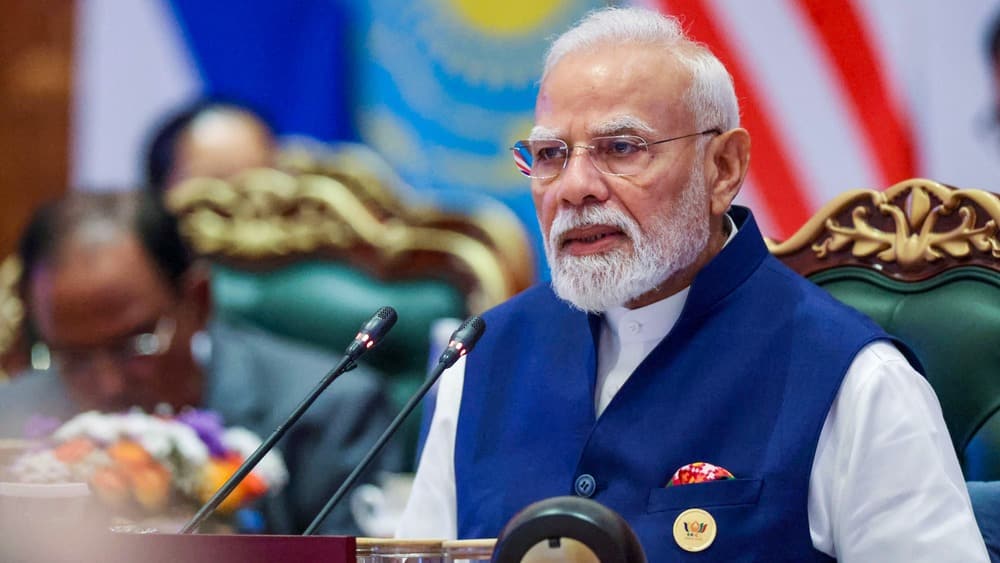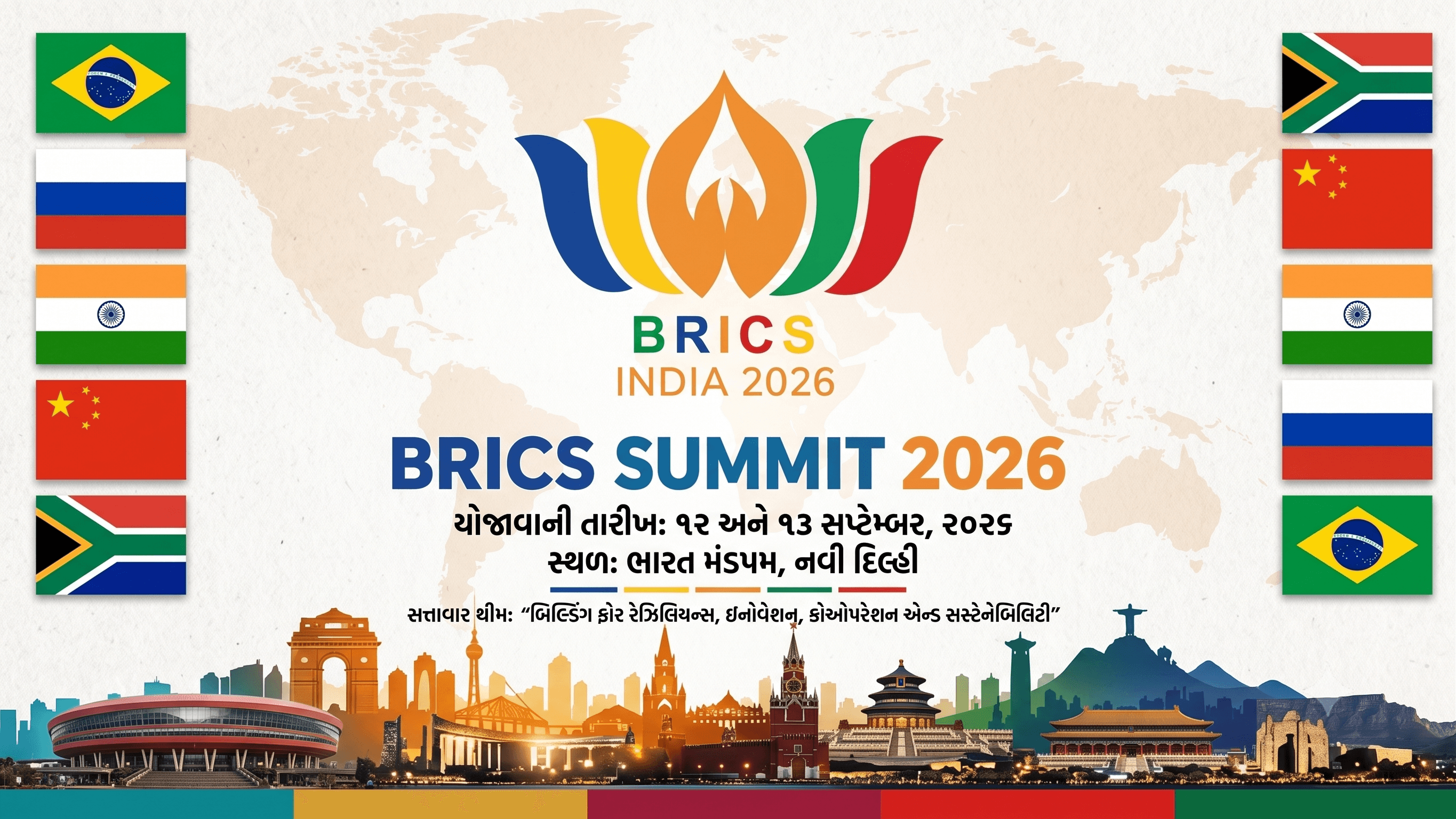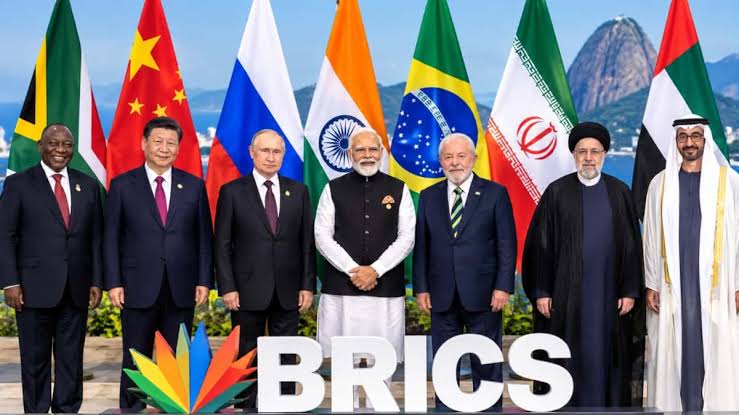
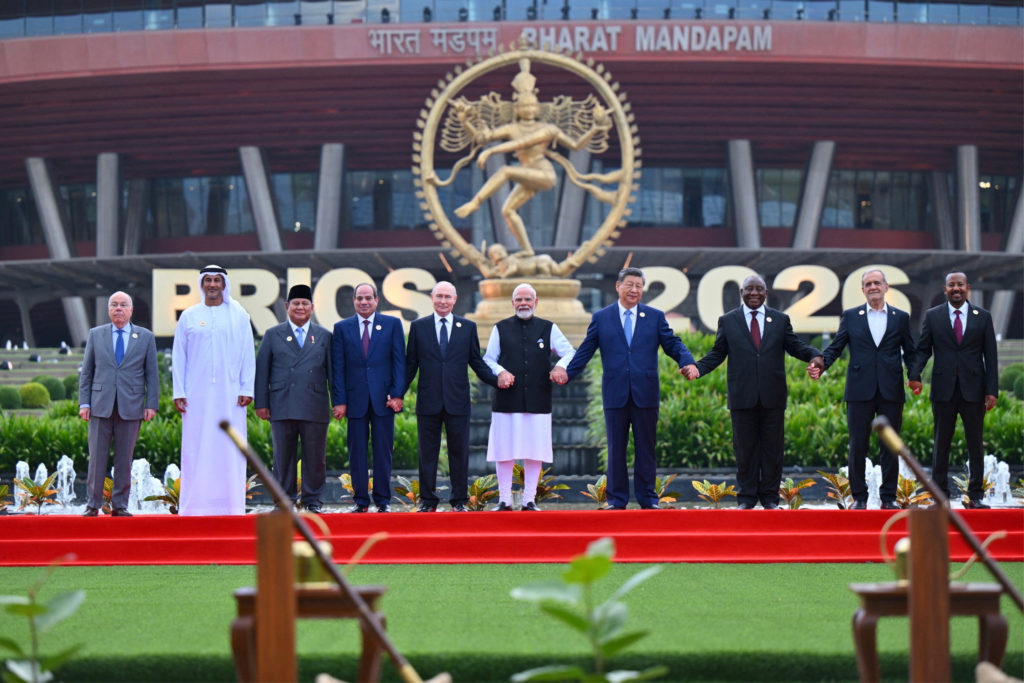
The 18th BRICS Summit has begun in a grand manner at Bharat Mandapam in New Delhi. Inaugurating this historic meeting chaired by India on the occasion of the 20th anniversary of the establishment of the BRICS organization, Prime Minister Narendra Modi presented an ambitious roadmap for the next two decades. PM Modi made it clear that the changing world cannot be run by relying on old global institutions. To bring about immediate change in the global governance system, he put forward 10 important reform proposals and called for the preparation of a 'BRICS Reform Roadmap' by the next summit.
The Prime Minister likened the current global governance to an ‘inverted pyramid’, with a handful of countries at the top seizing power and decision-making power, while smaller and developing countries at the bottom are most affected by decisions but are marginalized from policy-making. To address this imbalance, he presented three pillars: urgent reform of the United Nations Security Council (UNSC) through text-based negotiations (fair representation), real voting power in international financial institutions and emergency networks to protect seafarers in distress at sea (collective response), and the Global South becoming not just a rule-follower but a ‘rule-maker’ in future areas such as artificial intelligence (AI), cyberspace, space and biotechnology (inclusive rule-making). He also suggested creating a permanent monitoring system and a digital tracking system to ensure that operations do not stop even after the annual chairmanship changes.
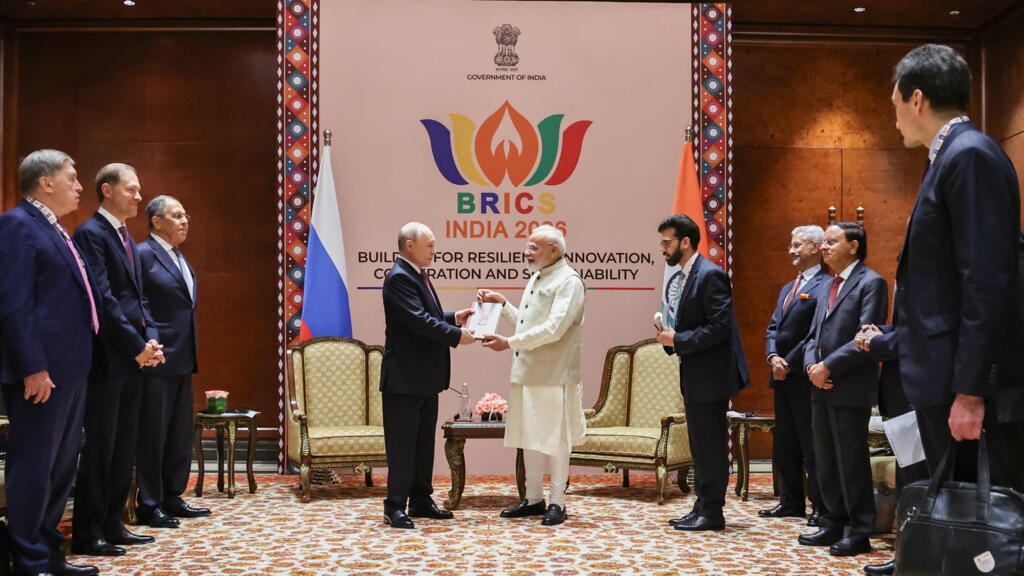
India's diplomatic coordination amidst tensions in West Asia and differences among member states resulted in the unanimous approval of the 'New Delhi Declaration-2026'. The declaration strongly condemned the Pahalgam terror attack of 22 April 2025 and adopted a policy of 'zero tolerance' against all forms of terrorism. There was consensus on not linking terrorism to any religion or nationality, taking collective action against cross-border terrorism, terror funding and safe havens, and on the expeditious implementation of the United Nations International Convention against Terrorism. In addition, concerns were expressed about unilateral tariffs and sanctions that hinder global trade and urged compliance with WTO rules.
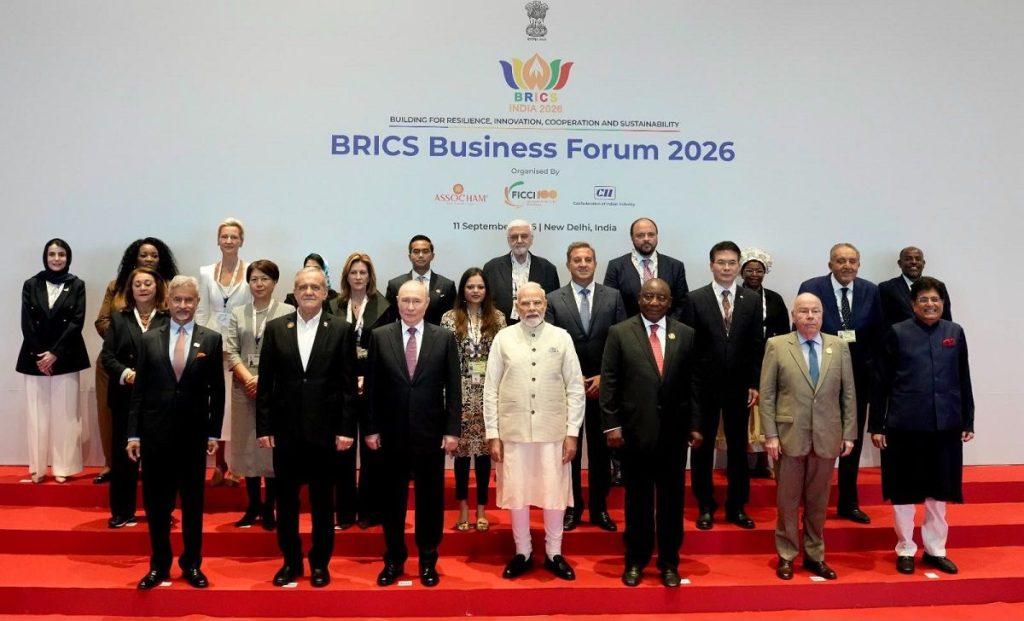
Instead of launching a new common currency to reduce dependence on the dollar in the economic sector, the emphasis has been on increasing trade in local currencies (rupee, ruble, yuan) among member countries and linking digital payment systems and Central Bank Digital Currency (CBDC), which will reduce transaction costs for Indian traders. The meeting, held in the presence of global leaders including Chinese President Xi Jinping, who visited India for the first time in seven years after the Galvan conflict, and Russian President Vladimir Putin, became a symbol of India's growing global influence. China will assume the chairmanship of BRICS next year.