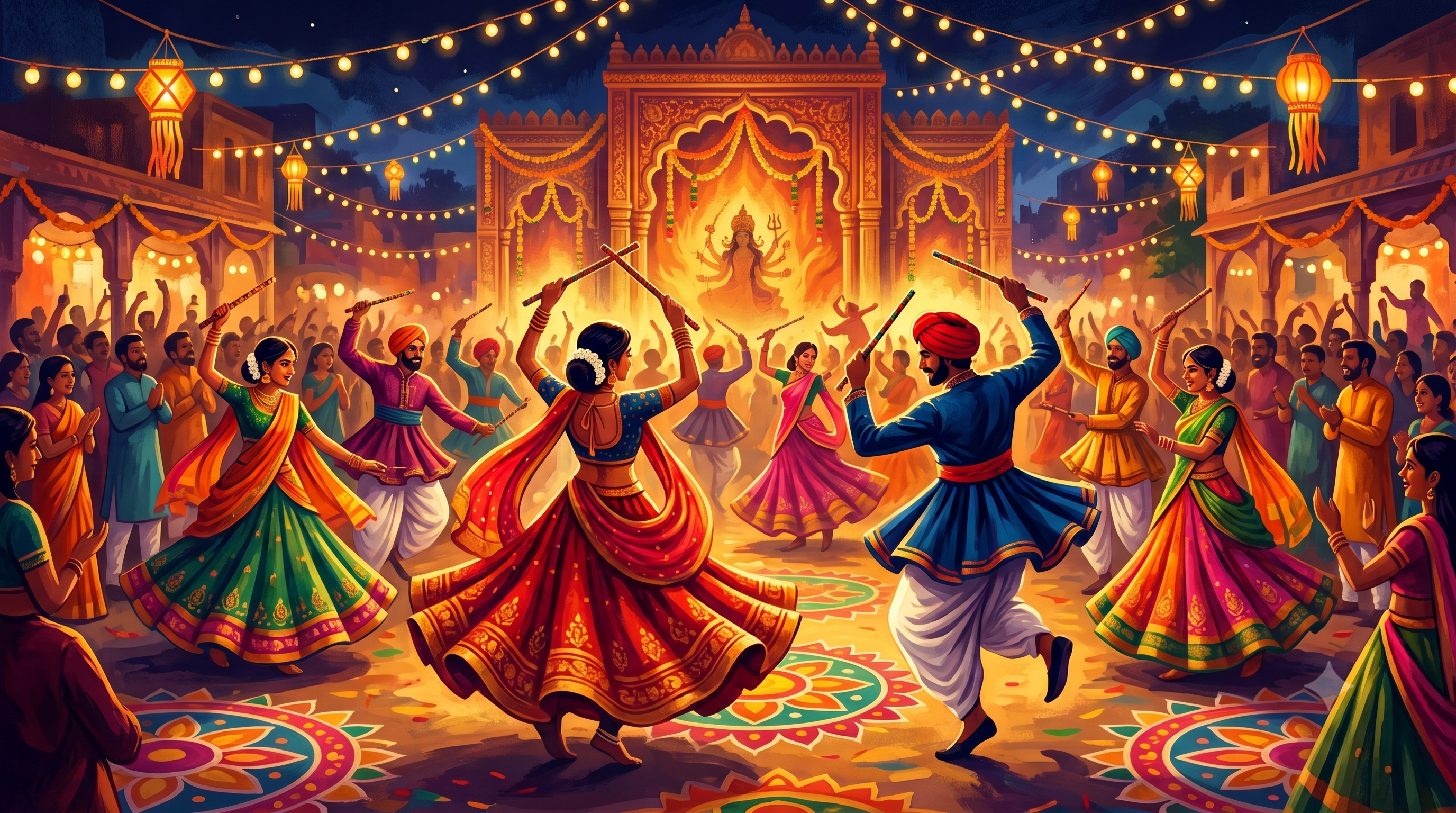
Navratri is a festival of culture, dedication, joy and worship of the Supreme Being. The Garbaan fun that is celebrated all over the world, including Gujarat, during the nine nights is not just a festival or entertainment, but a threefold confluence of centuries-old faith and culture. It is a connection of individual consciousness. Navratri is celebrated with different religious traditions in different parts of the country. But Navratri celebrated in Gujarat has a different identity in the world.
From 'Garbhadeep' to Shakti-Upasana: The Spiritual Secret of Garba
Navratri is known as the longest folk dance festival in the world. Behind which lies a deep spiritual and social mystery. The word 'Garba' is derived from the Sanskrit word 'Garbhadeep'. The lamp lit inside a pot with holes in it symbolizes the human body and the soul as consciousness pulsating in it. Just as the light of the flame spreads outward from the pot with holes, so does the inner consciousness manifest from the human body. During Navratri, the idol, image or Garbi of Jagadamba is placed in the center and revolved around it in a circle, which is considered a symbol of the eternal cycle of the universe and the cycle of birth and death. This shows that the entire management of the world revolves around the center point of the Supreme Power.
Navratri across the country and the unique identity of Gujarat
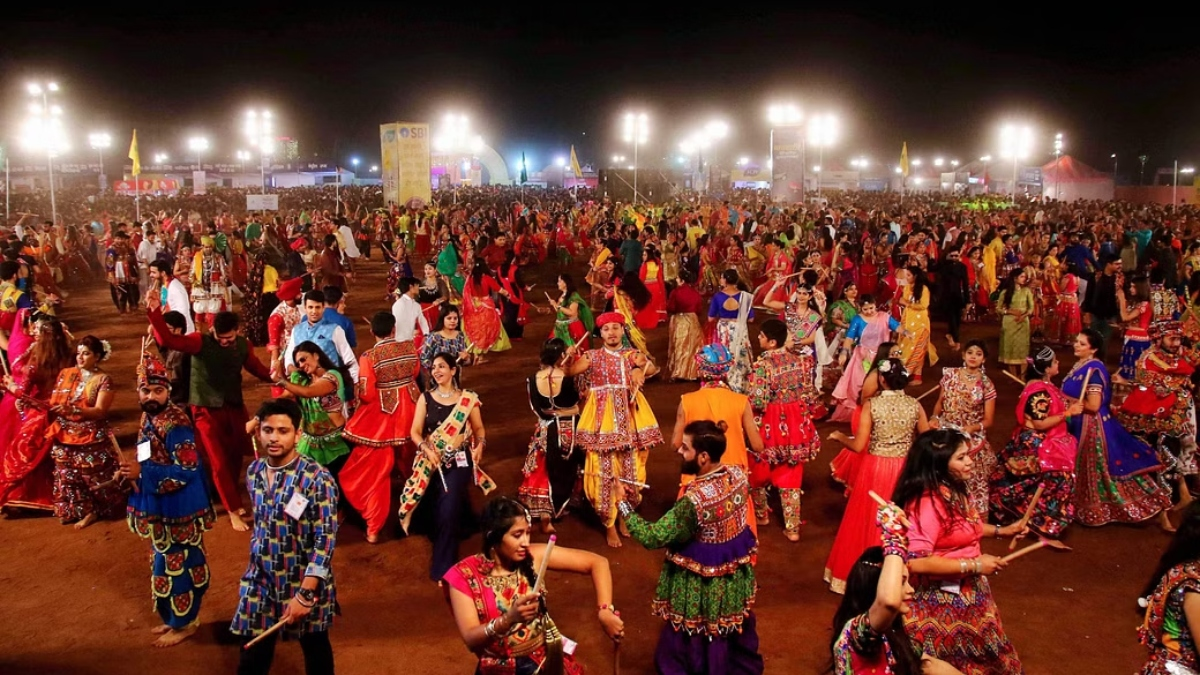
Navratri is celebrated with devotion all over India. The grand Durga Puja in West Bengal, Ramlila in North India, Bommai Kolu in South India and Dussehra festival in Mysore are celebrated with great pomp. But in Gujarat, this worship takes on a unique collective folk form. In Gujarat, devotion and dance become one. From the traditional ancient garba of the streets and lanes to the vast grounds and clubs, to the beat of dhol and the tune of ancient garbis, the entire city is immersed in the devotion of Mataji for nine nights.
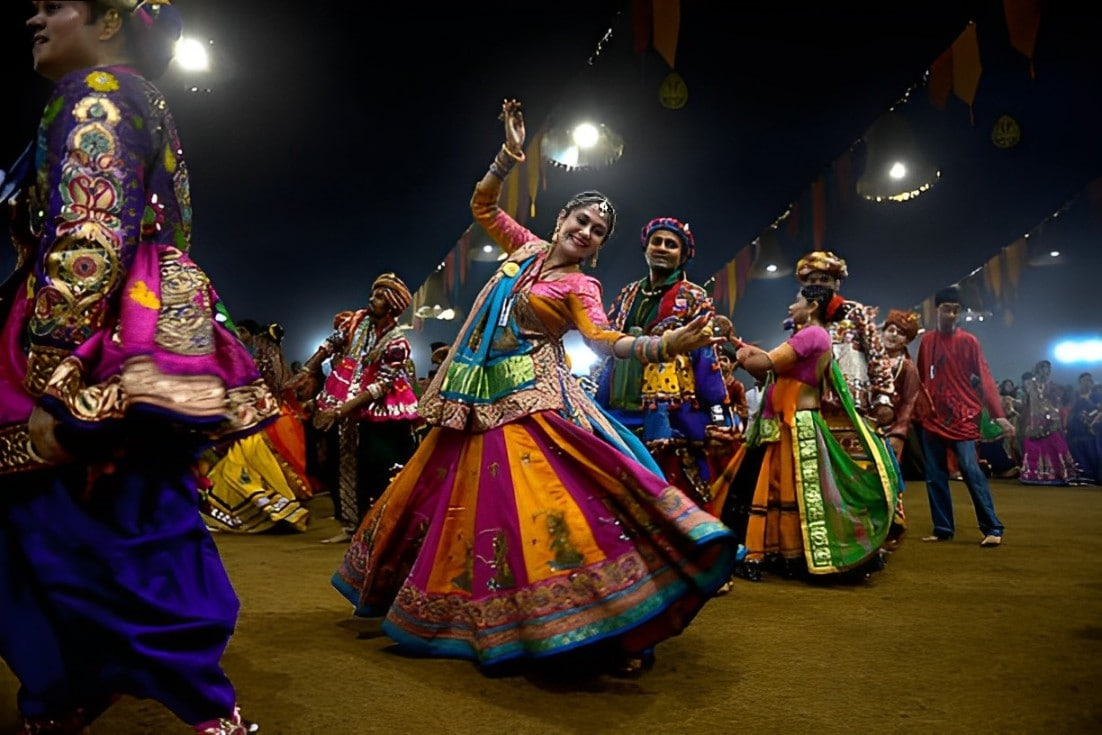
Gujaratis are Garba enthusiasts.
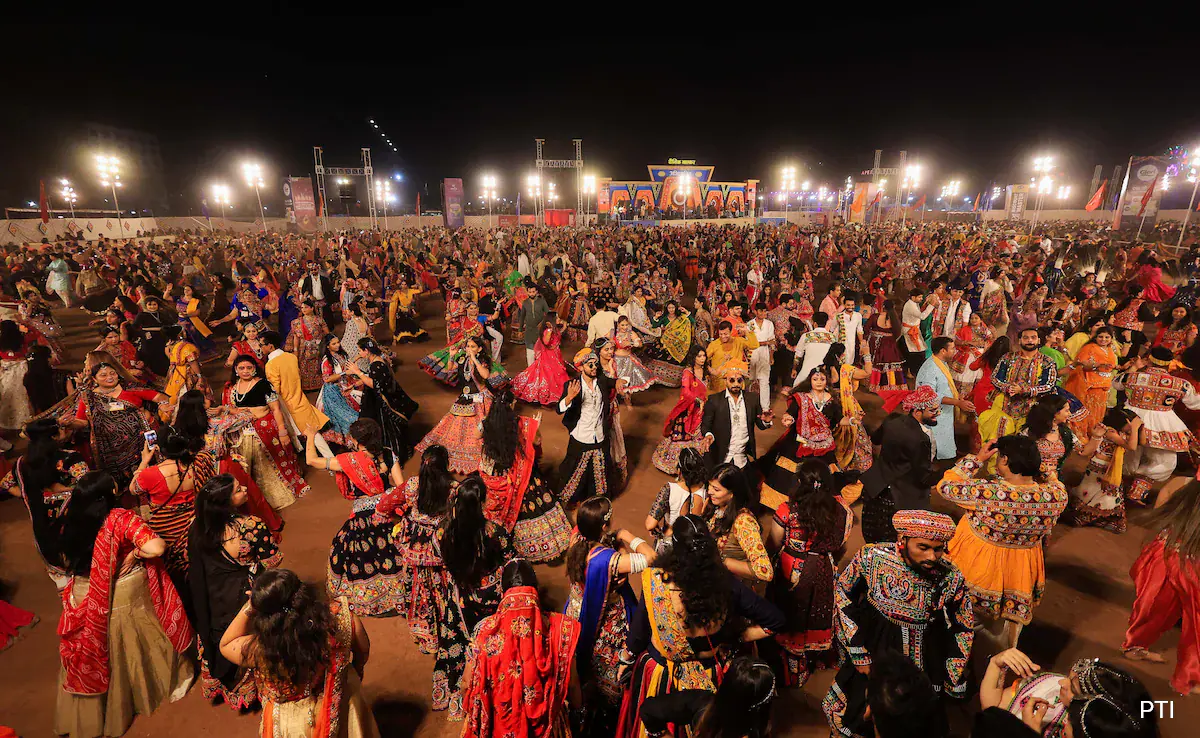
It is said that Garba is woven into the blood and culture of Gujaratis. The relationship between Gujarat and Garba is centuries old. This journey, which began with the Raslila of Lord Krishna and the Ras of the Gop culture of Saurashtra, went deep into the minds of the people through the Shakti-Garbas of medieval devotee poets Narsinh Mehta, Bhalan and especially in the 18th century Vallabh Mewada. Gujarati society, which is busy with trade and commerce on normal days, puts aside all worries and immerses itself in the worship of Mataji as soon as Navratri comes. Gujaratis living in any corner of the world get up and dance to the tune of Garba as soon as Navratri comes. Forgetting the differences between high and low, everyone from children to elders joins in the same rhythm, wearing traditional Chaniya-Choli and Kedi. Navratri is not just about playing Garba, but also about the vibrant nature, enthusiasm, hospitality, and social unity of Gujaratis.
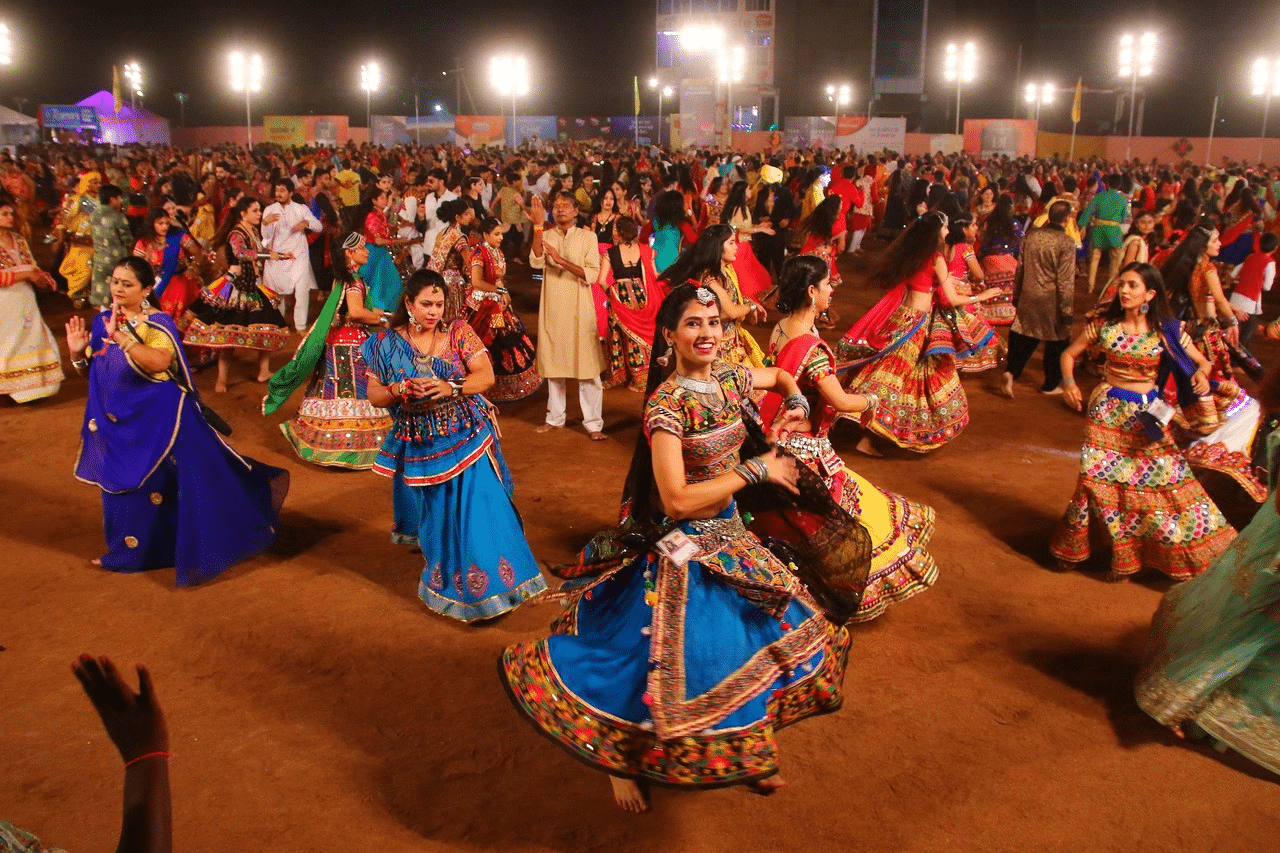
The biggest feature of Garba is its social equality. The dissolution of ego and complete dedication to Mother Shakti. From the streets of the neighborhood to the vast plains, from the streets of the villages to abroad, this festival is celebrated to the tune of native drums. It is a festival of worship of Shakti. The energy that is transmitted during Navratri is a measure of the liveliness, hospitality and collective unity of the Gujaratis. It is because of this unique cultural heritage that UNESCO has also honored Gujarat's Garba as a world heritage. UNESCO has given it global honor by declaring it 'Intangible Cultural Heritage'. Thus, Garba is a divine joyous festival that descends on earth during the nine days of Navratri.