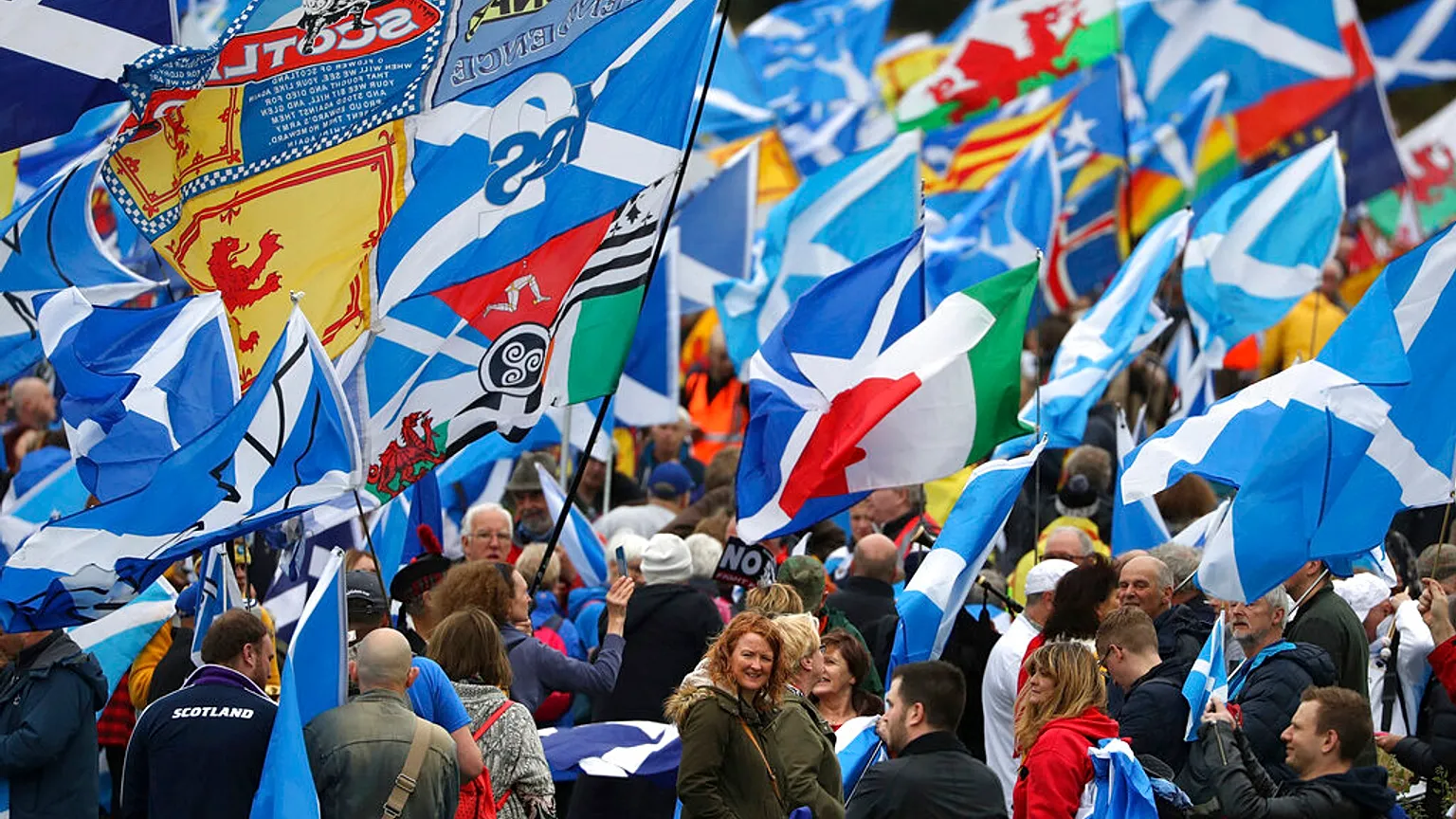
The United Kingdom (UK) faces its biggest ever constitutional challenge to its unity. The top leaders of Scotland, Wales and Northern Ireland are set to hold a crucial meeting in Cardiff, the Welsh capital. For the first time in history, all three autonomous regions have leaders who are dissatisfied with the current system of government in London. The joint meeting will aim to devise a strategy to create joint pressure to give citizens the right to self-determination to decide their own future and, if necessary, to hold a referendum on secession.
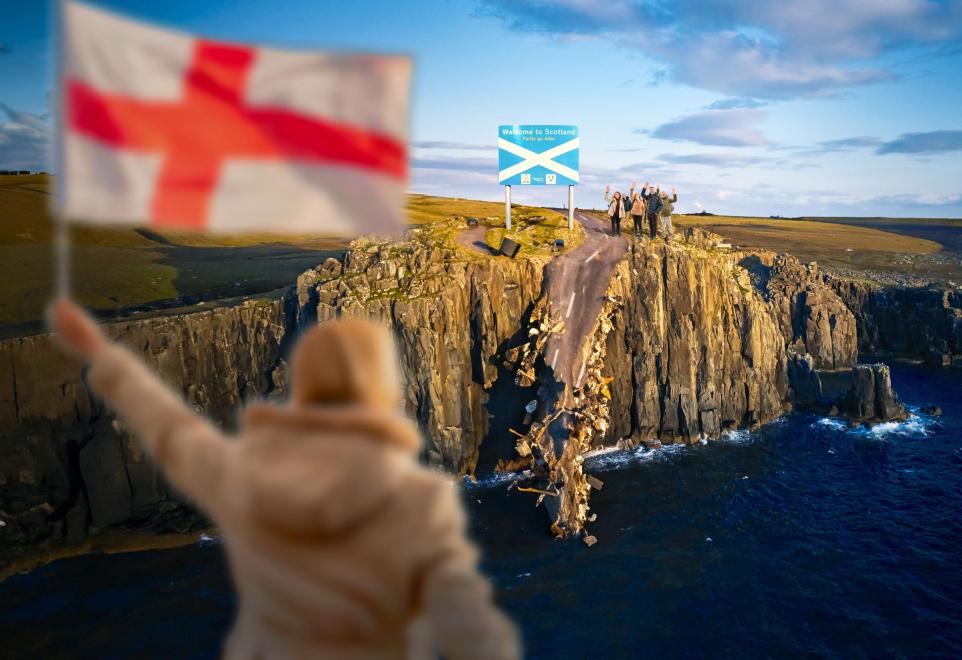
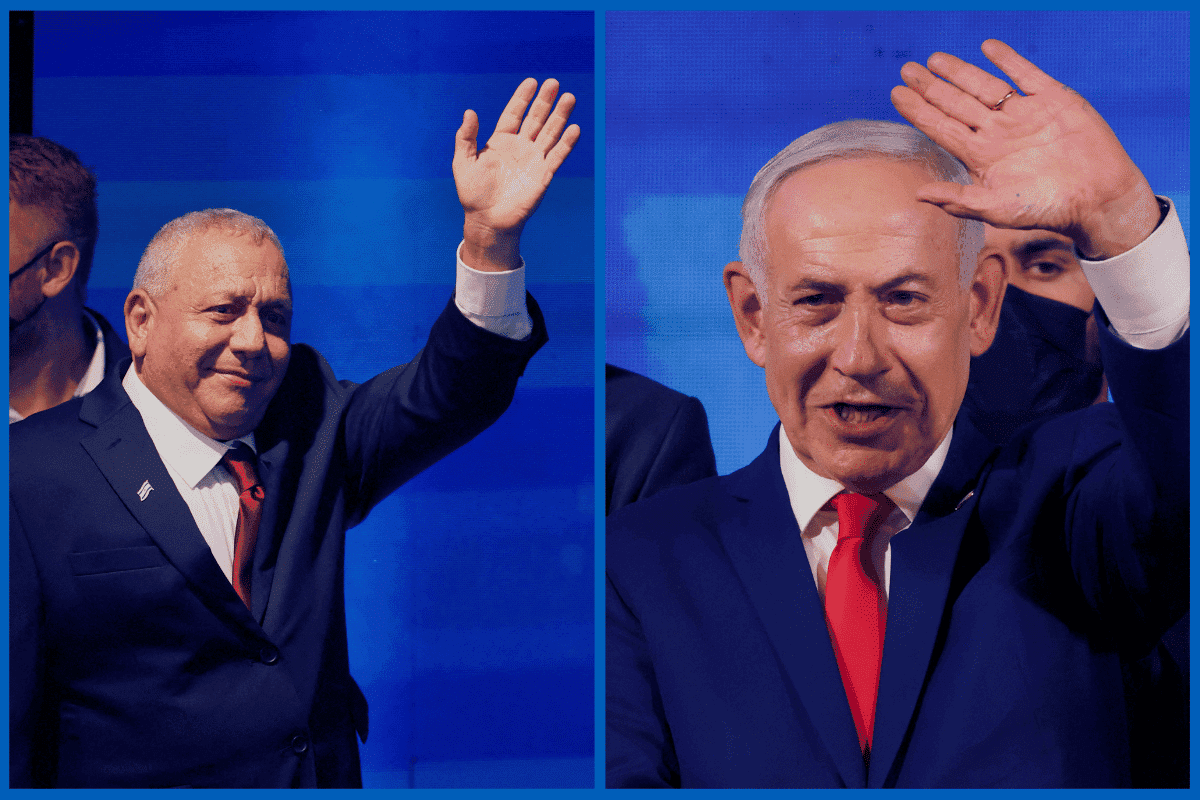
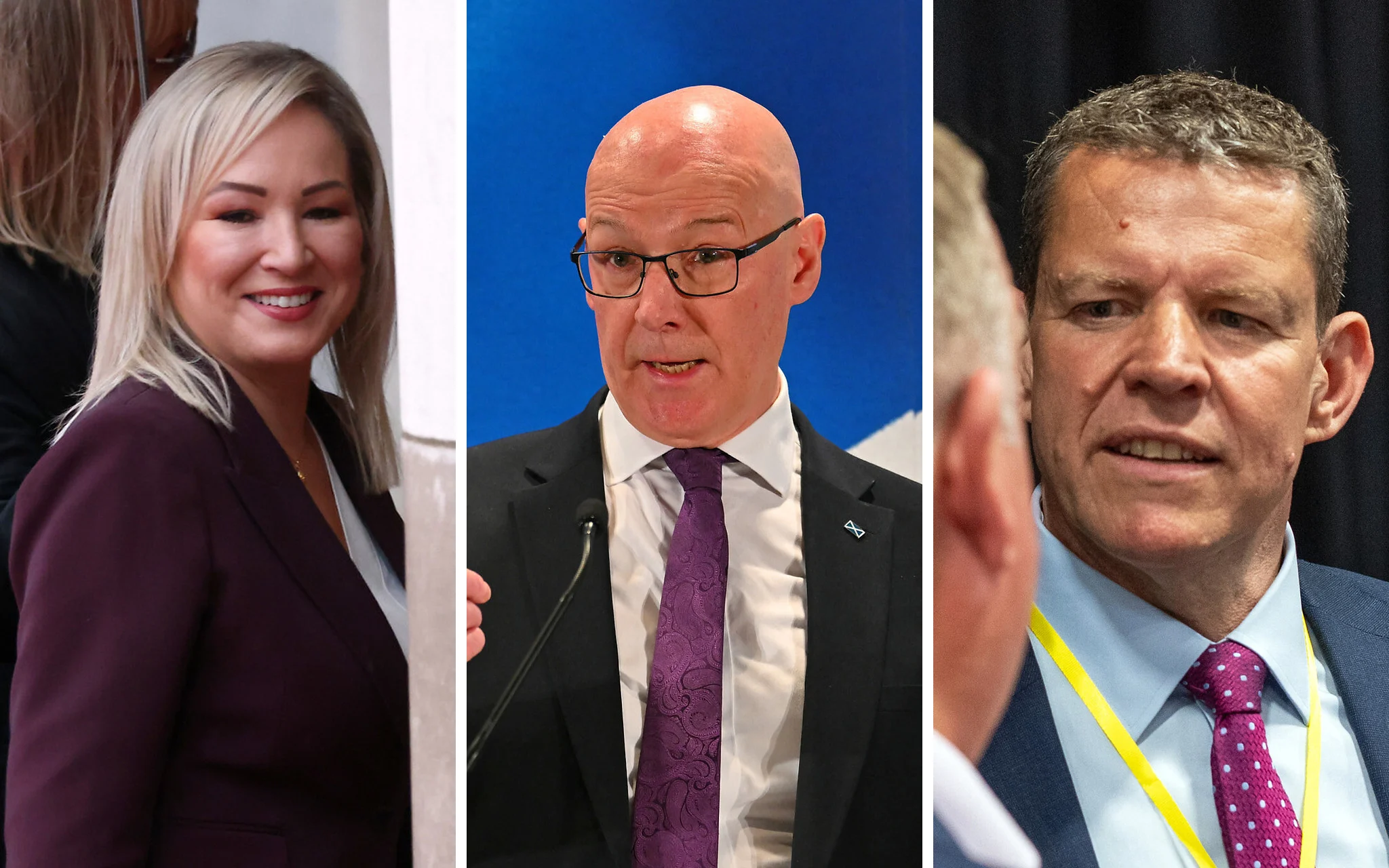
The Cardiff meeting will be attended by Scottish First Minister John Sweeney (SNP), Welsh First Minister Ron ap Eorthwart (Plaid Comrie) and Mary Lou McDonald, leader of Northern Ireland's ruling party Sinn Féin. Scotland and Wales want to become fully independent nations, while Northern Ireland aims to separate from Britain and merge with the Republic of Ireland. This united front is posing an extraordinary challenge to the British central government for regional rights and decentralization of power.
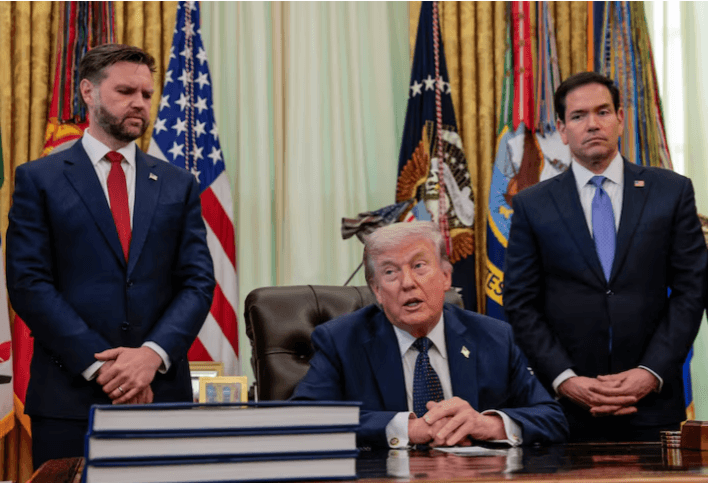
The political heat has intensified after a statement by British Prime Minister Andy Burnham. He had earlier indicated that if there is public support, referendums on separation in Scotland and Northern Ireland could be considered. However, as the controversy escalated, he had to clarify that no such referendum would be held before the next general election. On the other hand, US President Donald Trump has also given new momentum to the issue at the global level by supporting the unification of Ireland during his visit to Dublin.
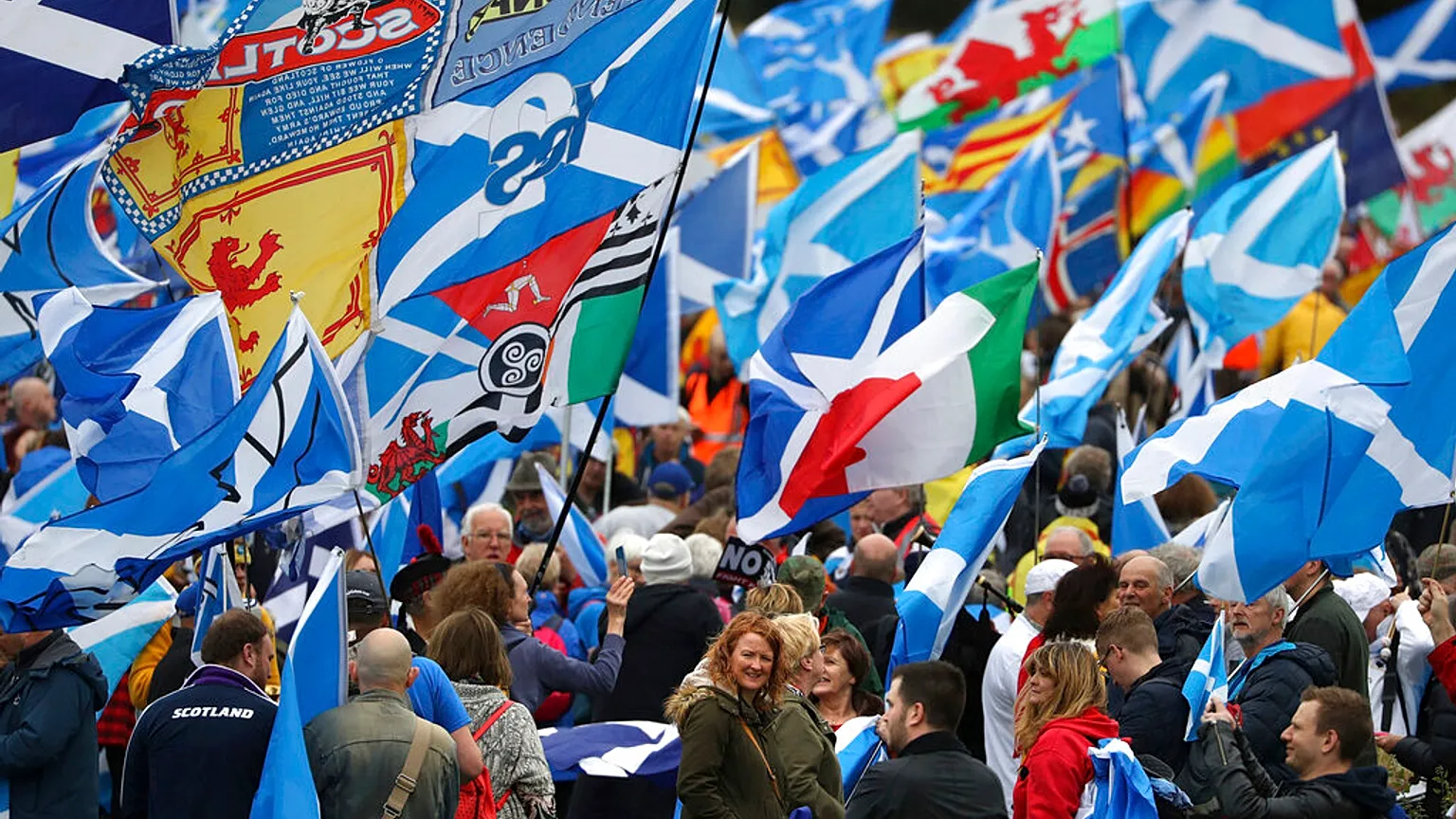
The main reason behind this conflict, besides independence, is the desire to join the European Union (EU). During the 2016 Brexit referendum, a majority of citizens of Scotland and Northern Ireland favored remaining in the EU, but the entire UK left. Now, Scotland and Wales want to regain EU membership by becoming independent countries, while Northern Ireland can automatically become part of the EU by unifying with Ireland.
The historic 1998 'Good Friday Agreement' for Northern Ireland provides the legal means for a border poll to be held in accordance with the will of the people. While 55% of people in Scotland voted to remain in the UK in the 2014 referendum, the SNP is adamant on demanding a referendum again in the face of changed global and economic conditions. Maintaining the unity of the country has now become a diplomatic and constitutional test for the central government in London.